UI / UX Design & UX Research

Odido TV Platforms

A secret rebranding, three TV platform clients that needed a total redesign, the introduction of a new European act, and the creation and fixing of a design system.

Overview

When Odido rebranded from T-Mobile Netherlands, it wasn't just a visual change—it was an opportunity to rethink and rebuild its digital experience from the ground up.


I work in the team as a UI/UX Designer & UX Researcher to help define, design, and scale a cross-platform design system, creating intuitive screen designs, and implementing accessibility principles, introduced by the European Union, spanning all the platforms associated with the TV domain. This includes the TV, Web TV and Mobile TV clients.


This case study explores how we created that design system & UI-design, the decisions we made, the challenges we faced, and the patterns and strategies that helped drive it forward.
blurry photo of sunset over ocean with logo on top

Problem

The Odido TV digital products lacked consistency, structure, and accessibility. The design assets were fragmented across platforms, and many components were either outdated or duplicated with slight visual deviations. The rebrand created urgency, but it also introduced risk—without a structured system, there was potential for divergence, inefficiencies, and long-term design debt. Also the introduction of the European Accessiblity Act meant that we had to take the time to


Key challenges:

  • Fragmented components and inconsistent design tokens
  • No established Light/Dark theme support
  • Lacked scalable for all UI patterns
  • Accessibility wasn't embedded in design or code
  • No unified documentation or governance process
  • Design debt from early rushed builds
blurry photo of sunset over ocean with logo on top

Goal

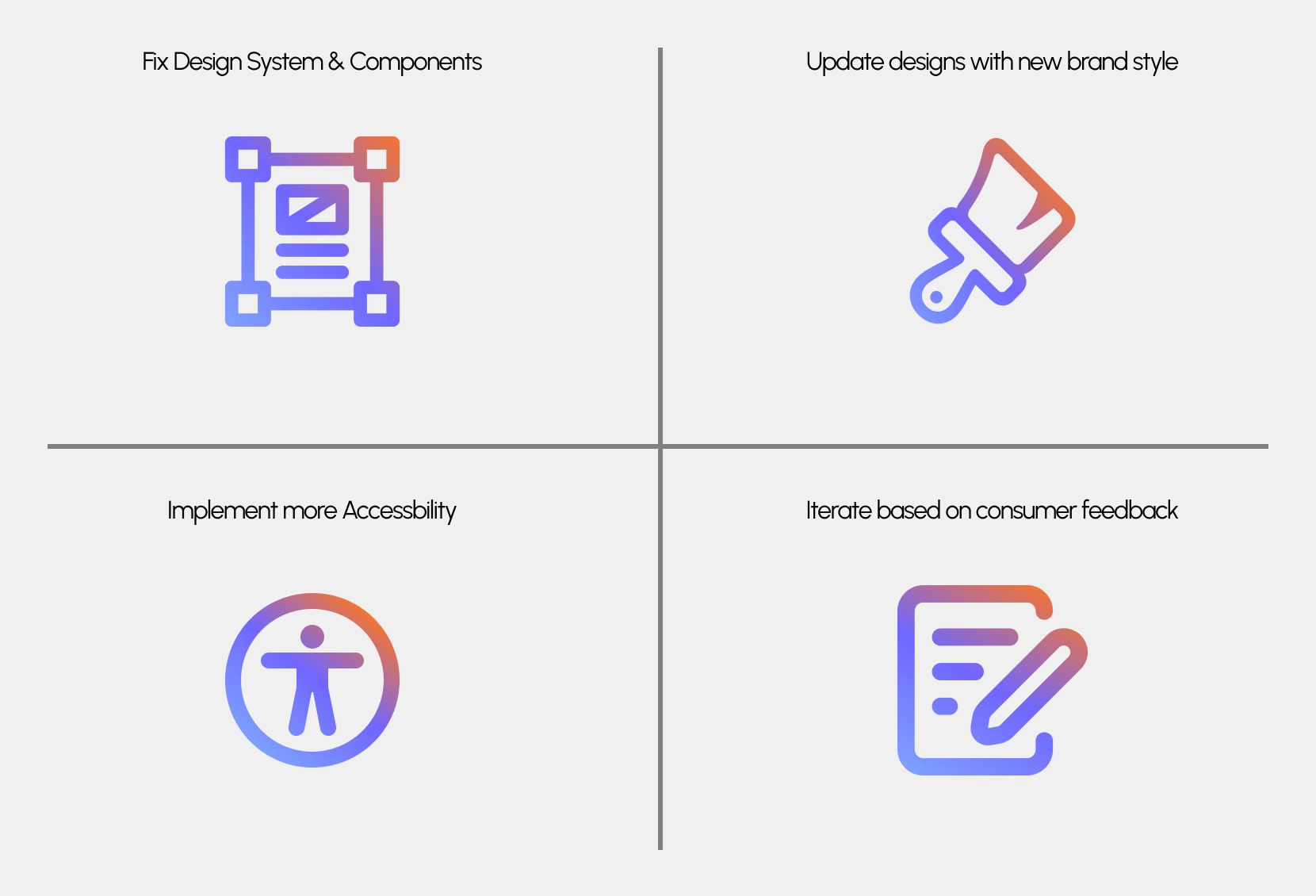
  • Recreate the TV platform designs in the new brand style of Odido
  • Centralize and standardize the design system for Odido TV
  • Build a flexible component library with interaction states and documentation
  • Research and implement the guidelines of the European Accessibility Act
  • Keep iterating, changing and innovating the app according to the wills and needs of the consumers

My Role

Key areas I was directly responsible for and hands-on with:

  • Redesigning the various TV platform UI designs that I created for T-Mobile prior (Web TV, App, TV)
  • Product management of the TV UI products
  • Working together with stakeholders in order to design a desired product that fits within the new brand style
  • Working together with the test and research team in order to implement the wishing and concerns of the user
  • Researching accessibility and implementing the key principles in order to make the applications as accessible as possible for many different users.

Research

Design System

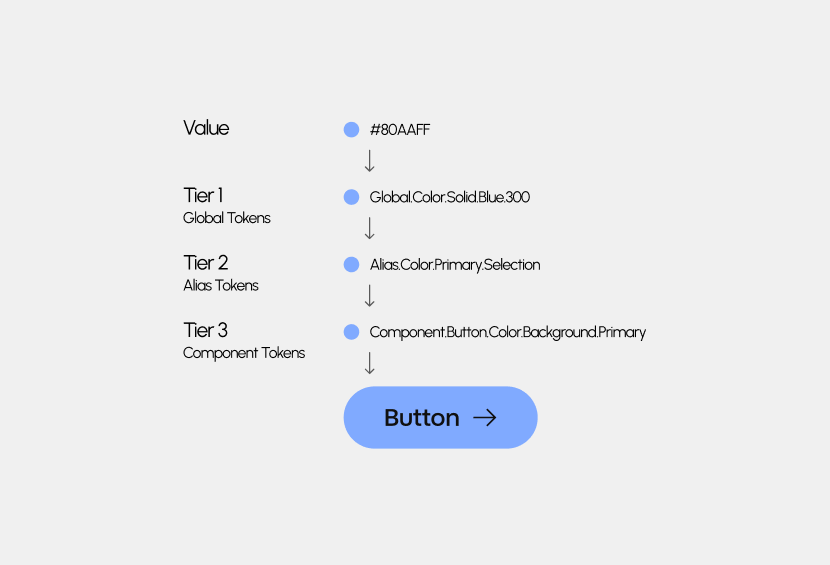
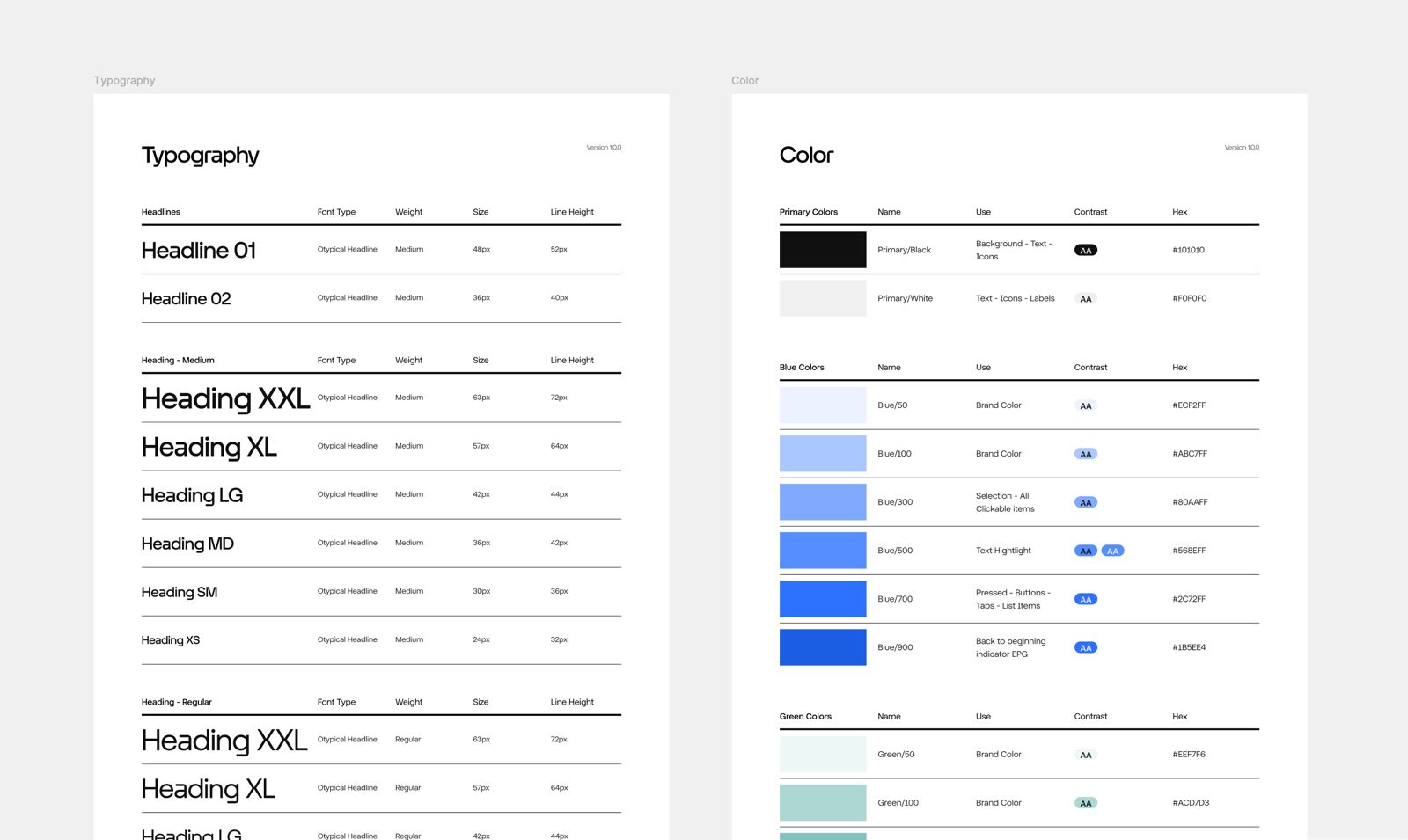
We began by auditing the Web and App design environments. Inconsistent usage of colors, spacing, and typography revealed the absence of atomic structure. Several button variants lacked interaction states, and accessibility testing showed contrast failures. We documented the issues and defined a scalable approach, prioritizing tokens and reusable components to reduce inconsistency.


The first step was defining atomic foundations:

  • Color System: Created a semantic, token-based palette. Colors were accessibility-tested and mapped for theme scalability.
  • Typography: Rationalised type scales and text styles across breakpoints
  • Spacing and Layout: Introduced spacing tokens and grid-based layout rules


We eliminated redundant styles and merged similar assets to build a cohesive, maintainable set of atoms.
blurry photo of sunset over ocean with logo on top

(Re)designing the UI with new brand style

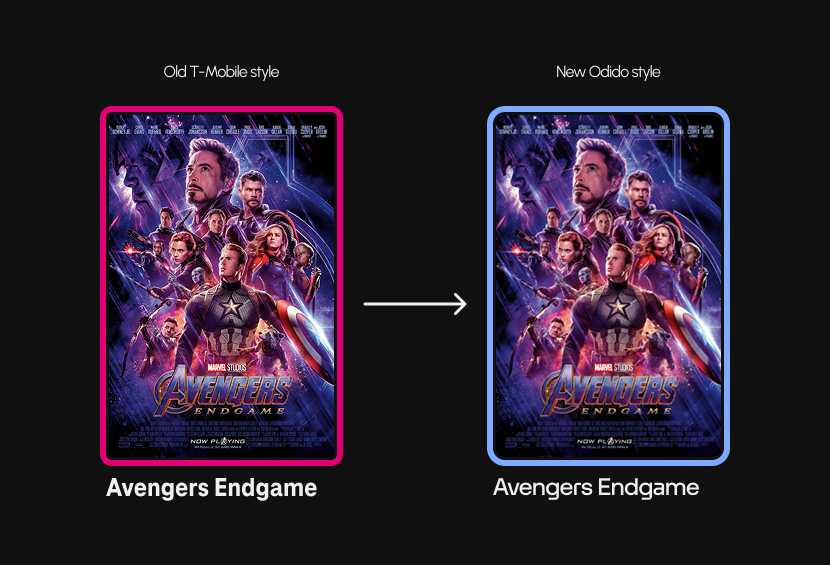
During the design phase of the design system we already started working on the UI designs side by side. The key challenge here: implement the new brand of Odido onto the existing designs made for the previous client, T-Mobile. Since a lot of the UI was based on the old color scheme it was a puzzle to see which colors and design elements worked in the UI and which did not.


Key Insights:

  • Changing the primary magenta brand color of T-Mobile to the more free flowing gradient colors of Odido would not work on the TV platforms. Due to the gradients failing the contrast tests and visability being an important feature for these platforms we opped to go for a more neutral blue color from the Odido brand color library as our main color for the UI designs.
  • Typography: Rationalized type scales and text styles across breakpoints
  • Spacing and Layout: Introduced spacing tokens and grid-based layout rules
blurry photo of sunset over ocean with logo on top

(Re)designing the UI with new brand style

During the design phase of the design system we already started working on the UI designs side by side. The key challenge here: implement the new brand of Odido onto the existing designs made for the previous client, T-Mobile. Since a lot of the UI was based on the old color scheme it was a puzzle to see which colors and design elements worked in the UI and which did not.


Key Insights:

  • Changing the primary magenta brand color of T-Mobile to the more free flowing gradient colors of Odido would not work on the TV platforms. Due to the gradients failing the contrast tests and visability being an important feature for these platforms we opped to go for a more neutral blue color from the Odido brand color library as our main color for the UI designs.
  • Typography: Rationalized type scales and text styles across breakpoints
  • Spacing and Layout: Introduced spacing tokens and grid-based layout rules
blurry photo of sunset over ocean with logo on top

Designs

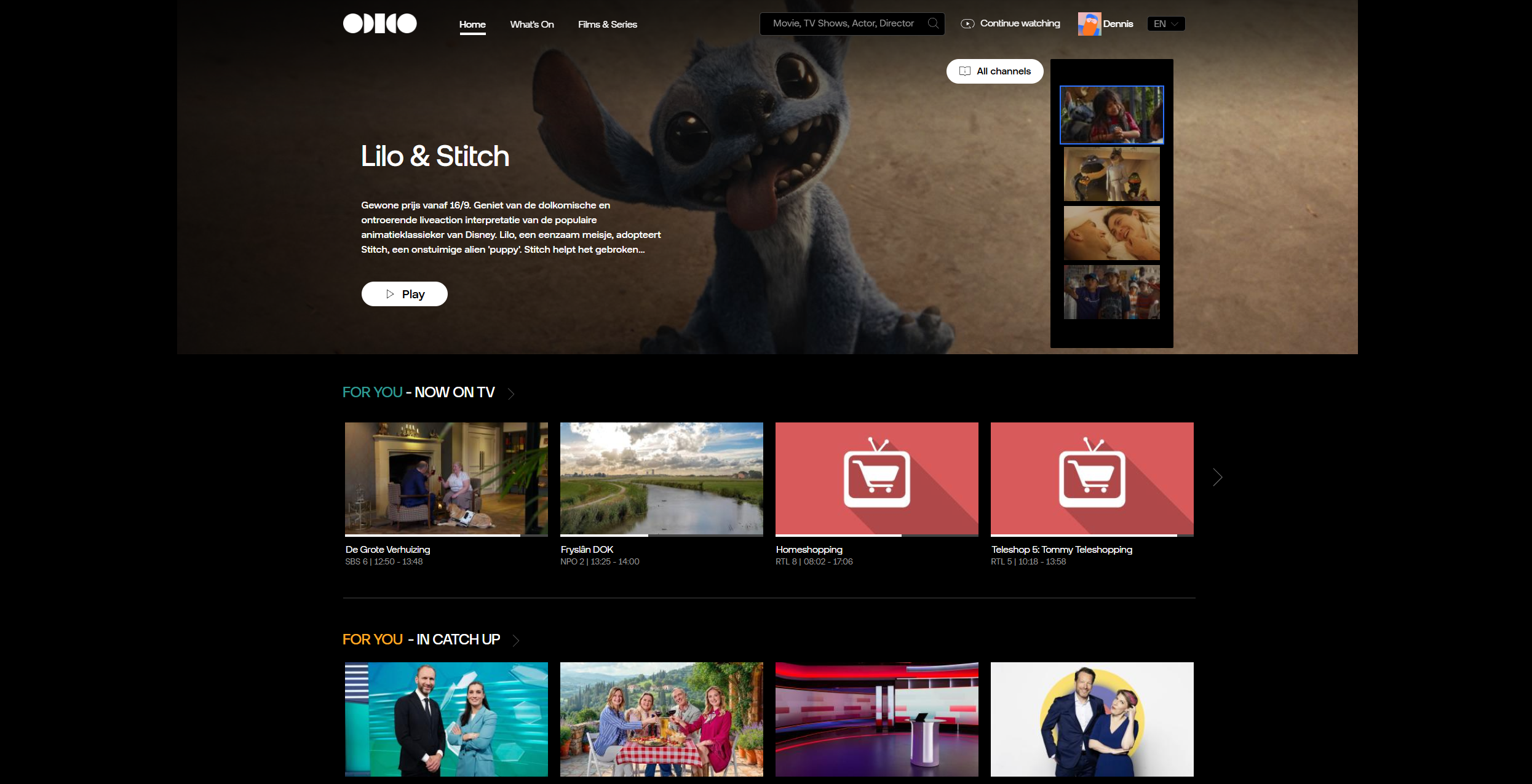
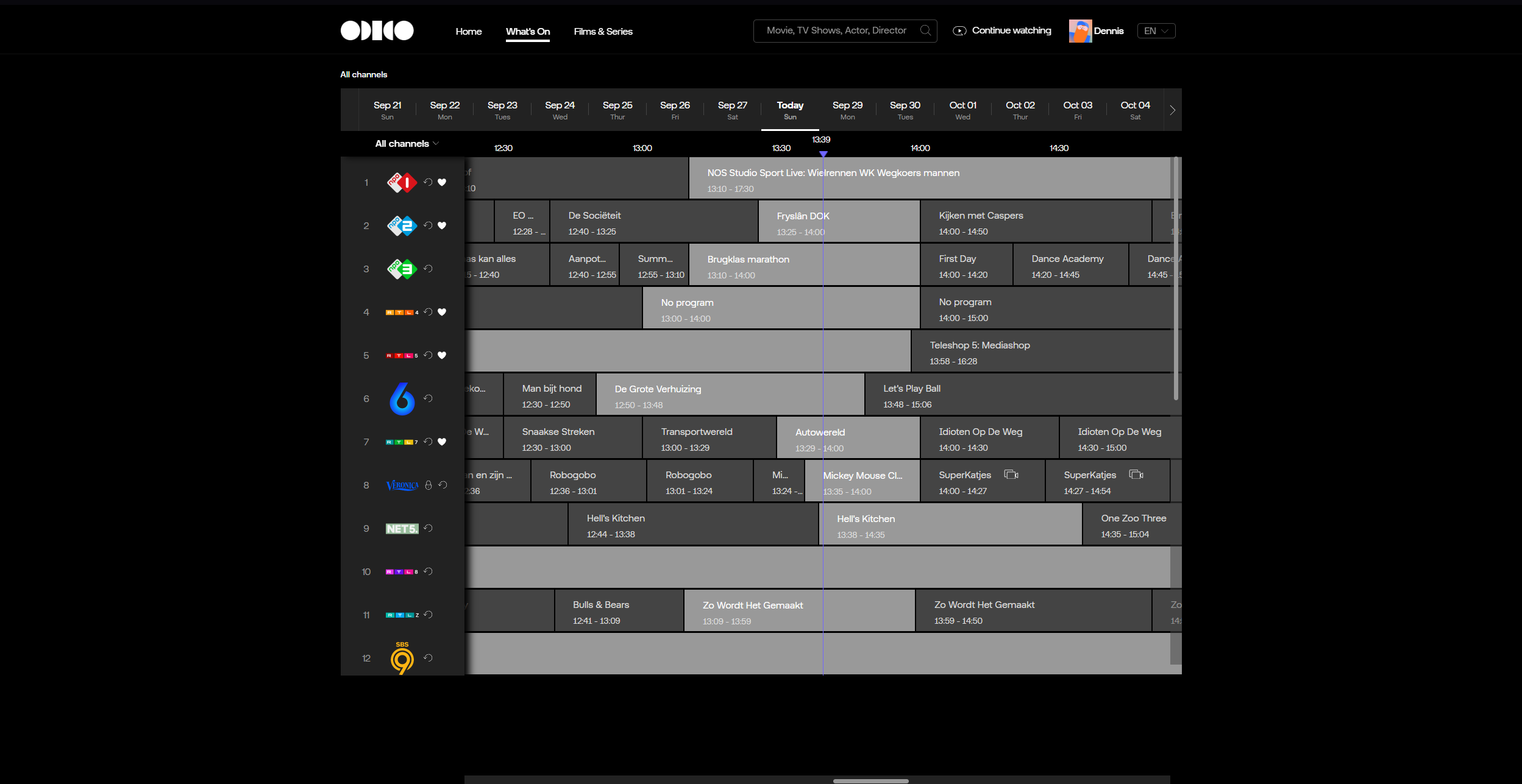
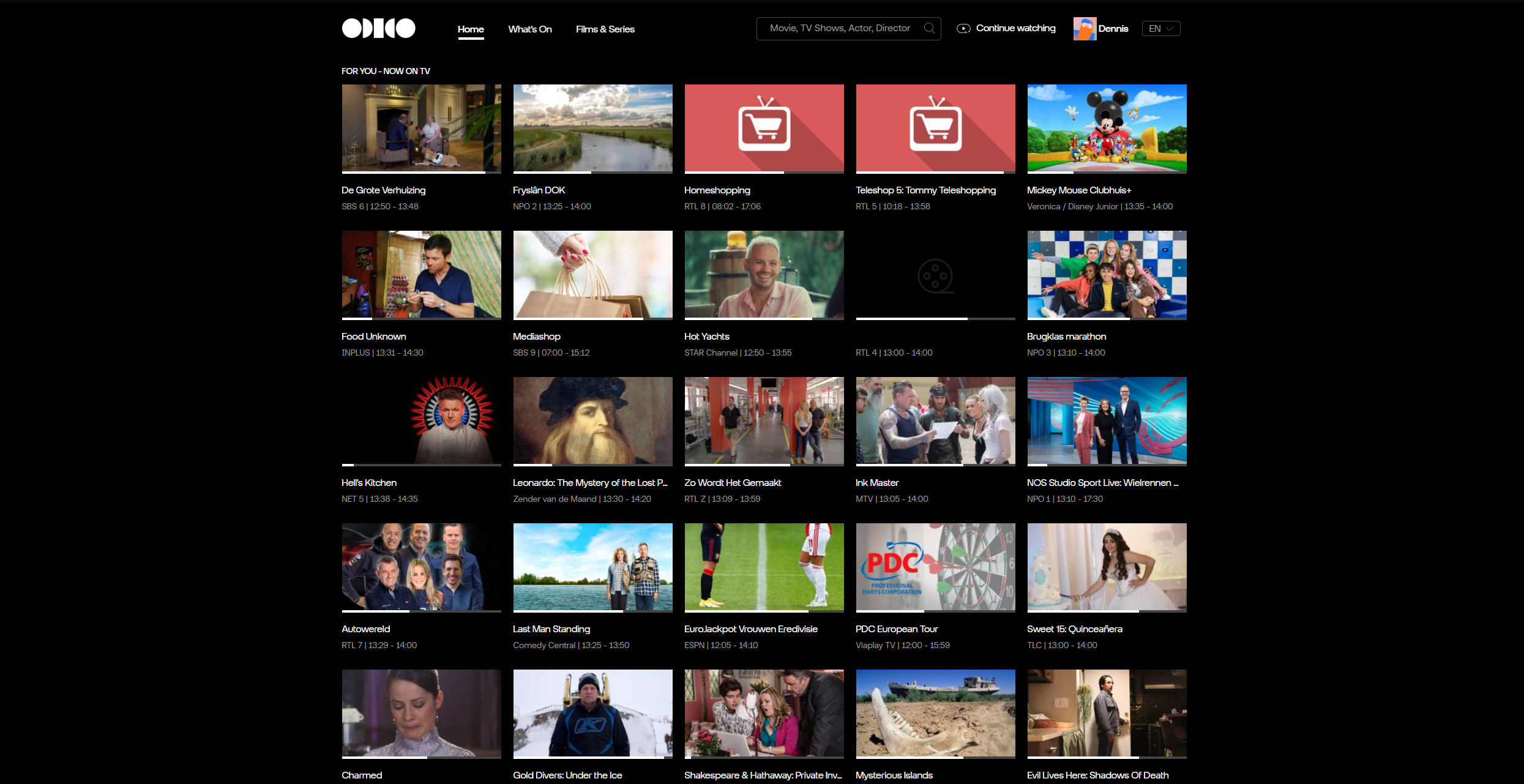
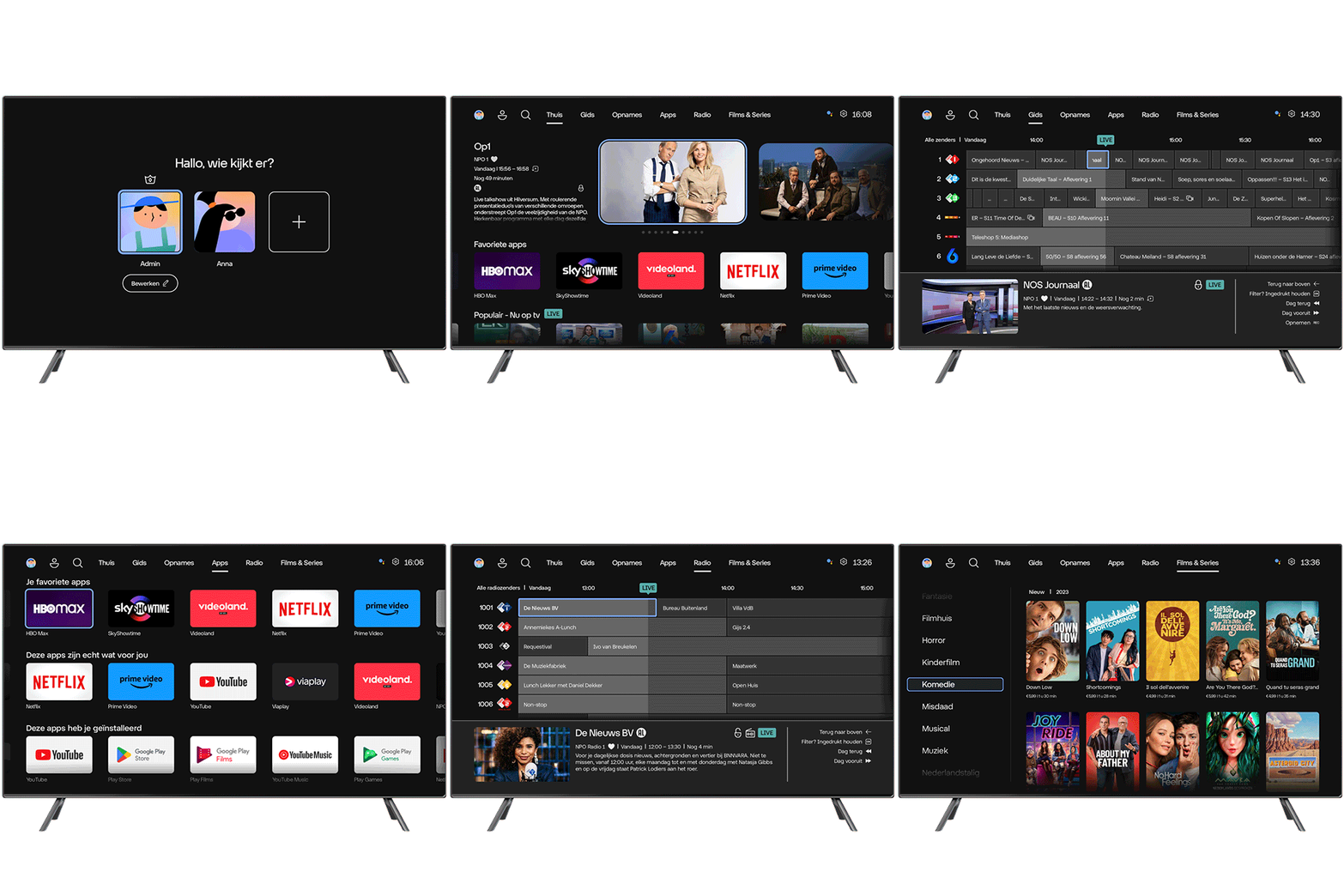
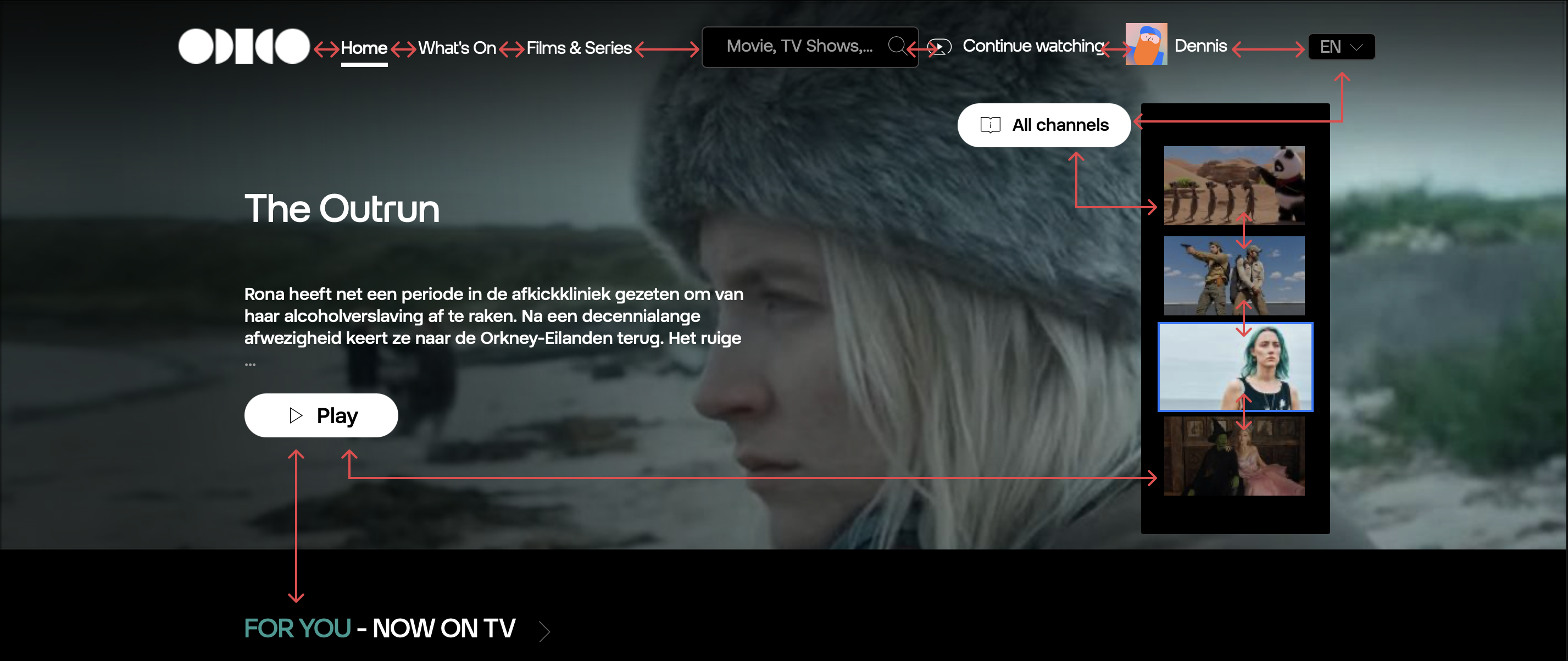
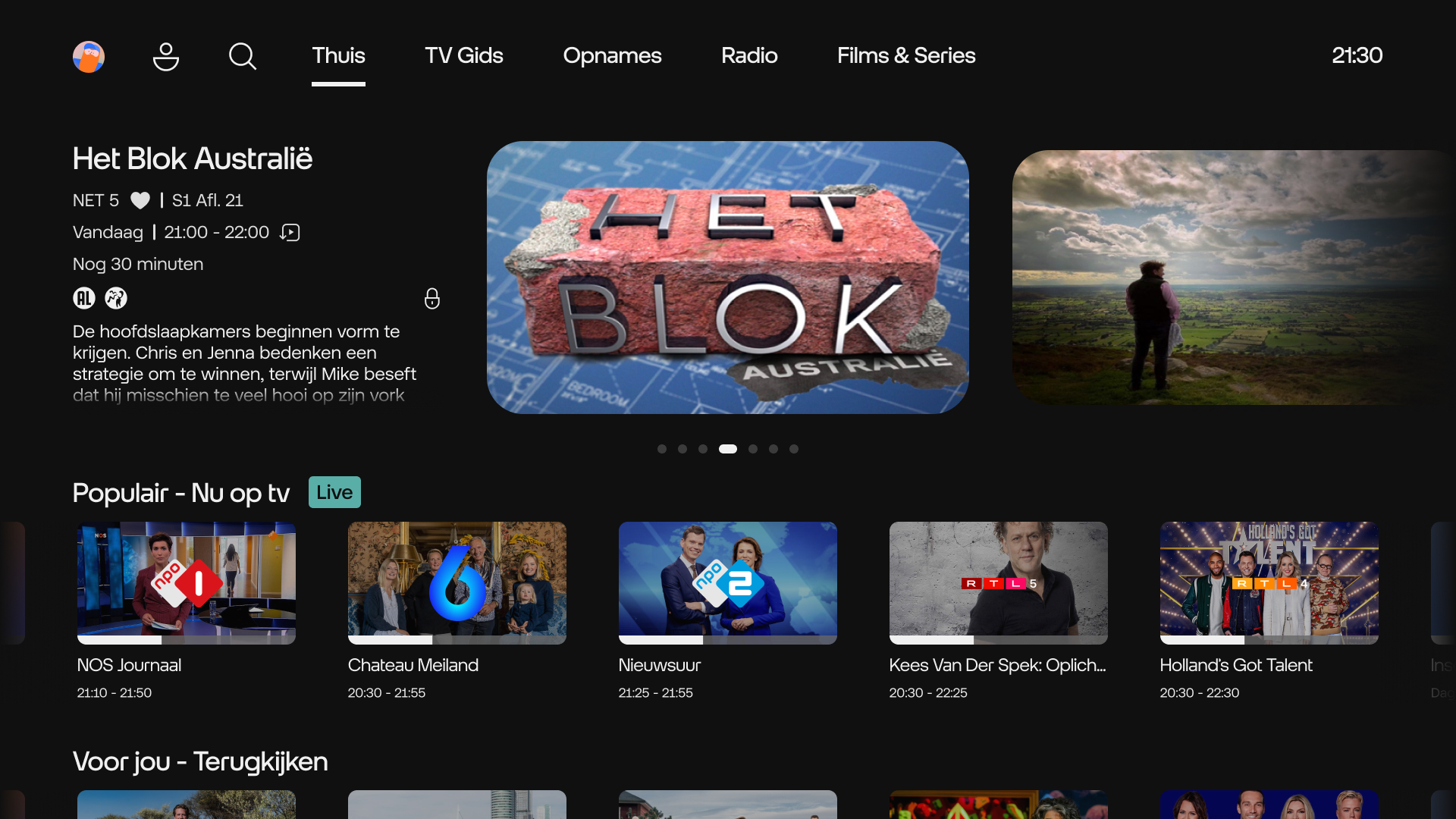
One of the biggest achievements that I am proud of is the implementation of the Odido branding accross all the different TV platforms. Since I worked on all platforms; TV, Web TV and Mobile TV, it is great to see the full vision and scope of what was implemented.


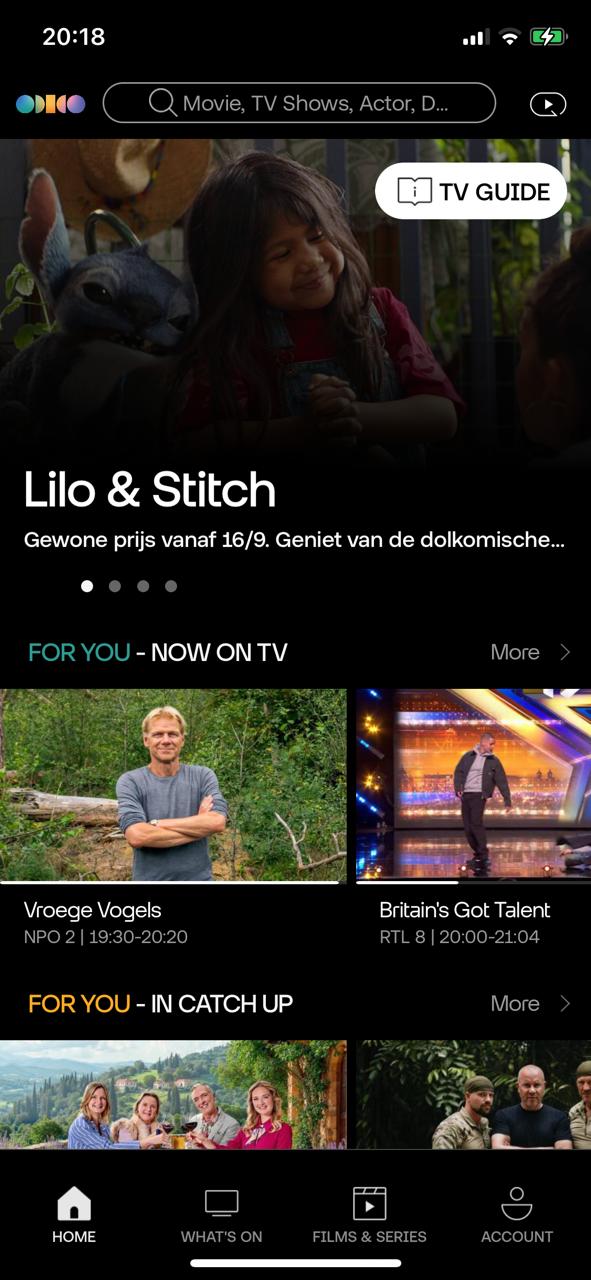
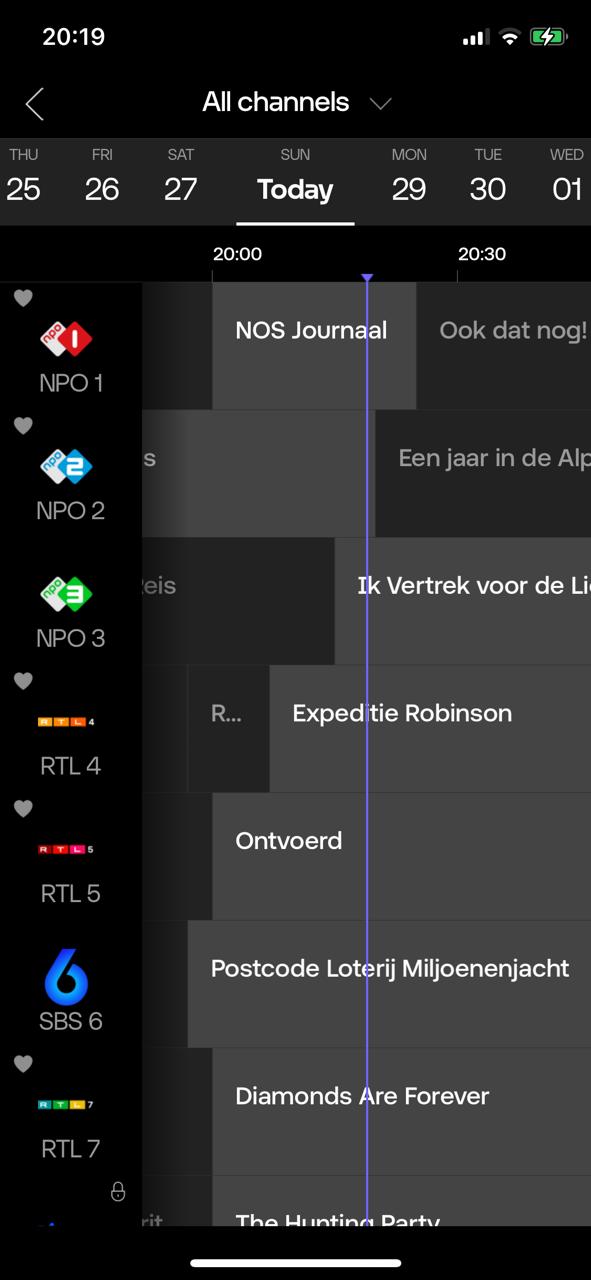
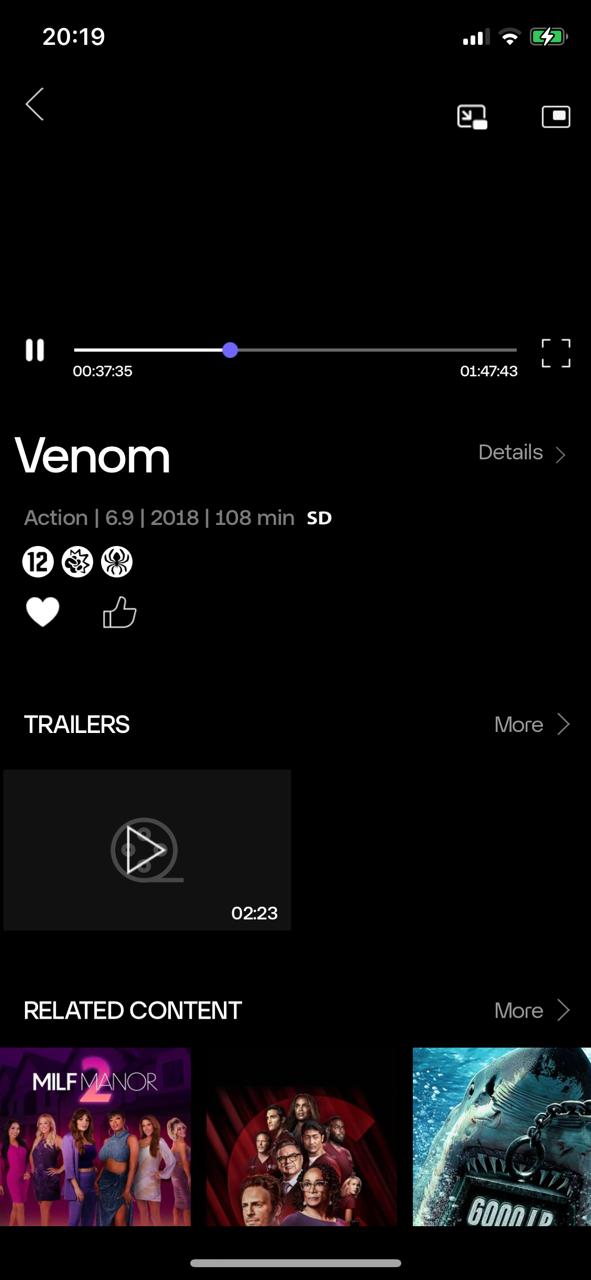
Here I display some of the more prominent screens designs of the respective apps that I worked on.


TV screen designs:
blurry photo of sunset over ocean with logo on top

Web TV screen designs:

blurry photo of sunset over ocean with logo on top

Mobile TV screen designs:

blurry photo of sunset over ocean with logo on top

Outcome

  • Created a scalable design system for TV within under 6 months
  • Component library used by multiple TV platforms within 3 months
  • UI patterns adopted across TV, Web TV and Mobile TV
  • Created internal documentation and principles for accessibility and user experience improvements
  • Created a fully fleched UI design for all three major TV platforms
  • Achieved 83% AA accessibility compliance in key flows

From the web to TV to virtual reality, I have worked across diverse platforms, each with unique challenges, all centered on delivering an exceptional user experience.

More projects

UI / UX Design & UX Research

Odido TV Platforms

Explore

UI / UX Design

T-Mobile & Tele2 TV Platforms

Explore

magazine spread

UX Research

Reducept Serious VR Game

Explore

UI / UX Design & UX Research

Odido TV Platforms

A secret rebranding, three TV platform clients that needed a total redesign, the introduction of a new European act, and the creation and fixing of a design system.

Overview

When Odido rebranded from T-Mobile Netherlands, it wasn't just a visual change—it was an opportunity to rethink and rebuild its digital experience from the ground up.


I work in the team as a UI/UX Designer & UX Researcher to help define, design, and scale a cross-platform design system, creating intuitive screen designs, and implementing accessibility principles, introduced by the European Union, spanning all the platforms associated with the TV domain. This includes the TV, Web TV and Mobile TV clients.


This case study explores how we created that design system & UI-design, the decisions we made, the challenges we faced, and the patterns and strategies that helped drive it forward.

blurry photo of sunset over ocean with logo on top

Problem

The Odido TV digital products lacked consistency, structure, and accessibility. The design assets were fragmented across platforms, and many components were either outdated or duplicated with slight visual deviations. The rebrand created urgency, but it also introduced risk—without a structured system, there was potential for divergence, inefficiencies, and long-term design debt. Also the introduction of the European Accessiblity Act meant that we had to take the time to


Key challenges:

  • Fragmented components and inconsistent design tokens
  • No established Light/Dark theme support
  • Lacked scalable for all UI patterns
  • Accessibility wasn't embedded in design or code
  • No unified documentation or governance process
  • Design debt from early rushed builds
blurry photo of sunset over ocean with logo on top

Goal

  • Recreate the TV platform designs in the new brand style of Odido
  • Centralize and standardize the design system for Odido TV
  • Build a flexible component library with interaction states and documentation
  • Research and implement the guidelines of the European Accessibility Act
  • Keep iterating, changing and innovating the app according to the wills and needs of the consumers

My Role

Key areas I was directly responsible for and hands-on with:

  • Redesigning the various TV platform UI designs that I created for T-Mobile prior (Web TV, App, TV)
  • Product management of the TV UI products
  • Working together with stakeholders in order to design a desired product that fits within the new brand style
  • Working together with the test and research team in order to implement the wishing and concerns of the user
  • Researching accessibility and implementing the key principles in order to make the applications as accessible as possible for many different users.

Research

Design System

We began by auditing the Web and App design environments. Inconsistent usage of colors, spacing, and typography revealed the absence of atomic structure. Several button variants lacked interaction states, and accessibility testing showed contrast failures. We documented the issues and defined a scalable approach, prioritizing tokens and reusable components to reduce inconsistency.


The first step was defining atomic foundations:

  • Color System: Created a semantic, token-based palette. Colors were accessibility-tested and mapped for theme scalability.
  • Typography: Rationalised type scales and text styles across breakpoints
  • Spacing and Layout: Introduced spacing tokens and grid-based layout rules


We eliminated redundant styles and merged similar assets to build a cohesive, maintainable set of atoms.

blurry photo of sunset over ocean with logo on top

(Re)designing the UI with new brand style

During the design phase of the design system we already started working on the UI designs side by side. The key challenge here: implement the new brand of Odido onto the existing designs made for the previous client, T-Mobile. Since a lot of the UI was based on the old color scheme it was a puzzle to see which colors and design elements worked in the UI and which did not.


Key Insights:

  • Changing the primary magenta brand color of T-Mobile to the more free flowing gradient colors of Odido would not work on the TV platforms. Due to the gradients failing the contrast tests and visability being an important feature for these platforms we opped to go for a more neutral blue color from the Odido brand color library as our main color for the UI designs.
  • Typography: Rationalized type scales and text styles across breakpoints
  • Spacing and Layout: Introduced spacing tokens and grid-based layout rules
blurry photo of sunset over ocean with logo on top

(Re)designing the UI with new brand style

During the design phase of the design system we already started working on the UI designs side by side. The key challenge here: implement the new brand of Odido onto the existing designs made for the previous client, T-Mobile. Since a lot of the UI was based on the old color scheme it was a puzzle to see which colors and design elements worked in the UI and which did not.


Key Insights:

  • Changing the primary magenta brand color of T-Mobile to the more free flowing gradient colors of Odido would not work on the TV platforms. Due to the gradients failing the contrast tests and visability being an important feature for these platforms we opped to go for a more neutral blue color from the Odido brand color library as our main color for the UI designs.
  • Typography: Rationalized type scales and text styles across breakpoints
  • Spacing and Layout: Introduced spacing tokens and grid-based layout rules
blurry photo of sunset over ocean with logo on top

Designs

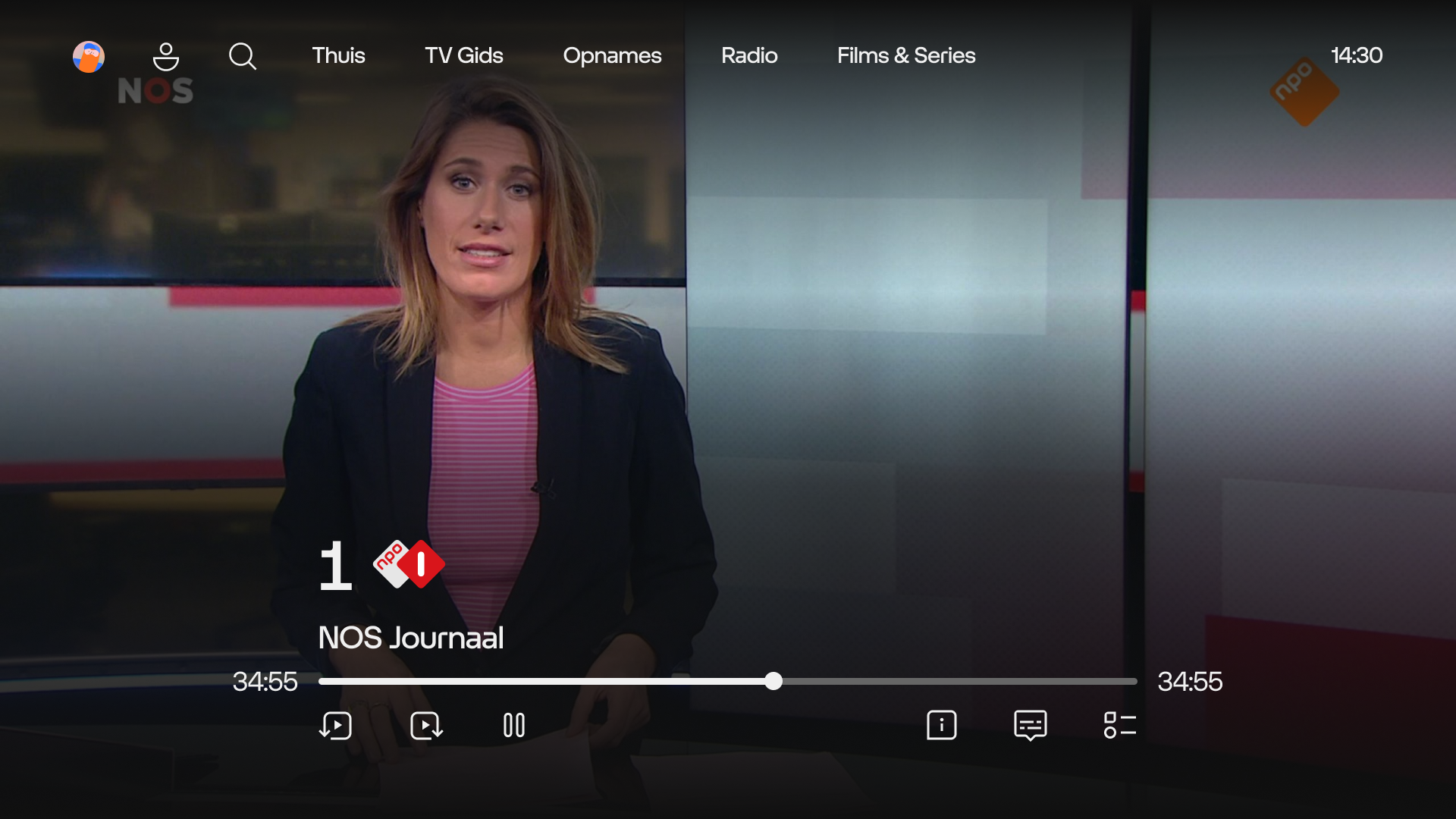
One of the biggest achievements that I am proud of is the implementation of the Odido branding accross all the different TV platforms. Since I worked on all platforms; TV, Web TV and Mobile TV, it is great to see the full vision and scope of what was implemented.


Here I display some of the more prominent screens designs of the respective apps that I worked on.


TV screen designs:
blurry photo of sunset over ocean with logo on top

Web TV screen designs:

blurry photo of sunset over ocean with logo on top

Mobile TV screen designs:

Outcome

  • Created a scalable design system for TV within under 6 months
  • Component library used by multiple TV platforms within 3 months
  • UI patterns adopted across TV, Web TV and Mobile TV
  • Created internal documentation and principles for accessibility and user experience improvements
  • Created a fully fleched UI design for all three major TV platforms
  • Achieved 83% AA accessibility compliance in key flows

From the web to TV to virtual reality, I have worked across diverse platforms, each with unique challenges, all centered on delivering an exceptional user experience.

More projects

UI / UX Design & UX Research

Odido TV Platforms

Explore

abstract painting

UI / UX Design

T-Mobile & Tele2 TV Platforms

Explore

magazine spread

UX Research

Reducept Serious VR Game

Explore

UI / UX Design & UX Research

Odido TV Platforms

A secret rebranding, three TV platform clients that needed a total redesign, the introduction of a new European act, and the creation and fixing of a design system.

Overview

When Odido rebranded from T-Mobile Netherlands, it wasn't just a visual change—it was an opportunity to rethink and rebuild its digital experience from the ground up.


I work in the team as a UI/UX Designer & UX Researcher to help define, design, and scale a cross-platform design system, creating intuitive screen designs, and implementing accessibility principles, introduced by the European Union, spanning all the platforms associated with the TV domain. This includes the TV, Web TV and Mobile TV clients.


This case study explores how we created that design system & UI-design, the decisions we made, the challenges we faced, and the patterns and strategies that helped drive it forward.

blurry photo of sunset over ocean with logo on top

Problem

The Odido TV digital products lacked consistency, structure, and accessibility. The design assets were fragmented across the platforms, and many components were either outdated or duplicated with slight visual deviations. The rebrand created urgency, but it also introduced risk—without a structured system, there was potential for divergence, inefficiencies, and long-term design debt. Also the introduction of the European Accessibility Act meant that we had to take the time to check, test and iterate on the existing designs to make the products as accessible as possible.


Key challenges:

  • Redesigning the existing designs (based on the T-Mobile products)
  • Inconsistent design system and lack of coherency within the file structures
  • Fragmented components and inconsistent design tokens
  • Accessibility wasn't embedded in the designs
  • Ever changing consumer demands and innovation to keep the products relevant and fresh
blurry photo of sunset over ocean with logo on top

Goal

  • Recreate the TV platform designs in the new brand style of Odido
  • Centralize and standardize the design system for Odido TV
  • Build a flexible component library with interaction states and documentation
  • Research and implement the guidelines of the European Accessibility Act
  • Keep iterating, changing and innovating the app according to the wills and needs of the consumers

My Role

Key areas I was directly responsible for and hands-on with:

  • Redesigning the various TV platform UI designs that I created for T-Mobile prior (Web TV, App, TV)
  • Product management of the TV UI products
  • Working together with stakeholders in order to design a desired product that fits within the new brand style
  • Working together with the test and research team in order to implement the wishing and concerns of the user
  • Researching accessibility and implementing the key principles in order to make the applications as accessible as possible for many different users.

Research

Design System

We began by auditing the TV design environments. Inconsistent usage of colors, spacing, and typography was a big problem and showed the lack of an atomic structure. Several button variants lacked interaction states due to prior time constrains, and accessibility testing showed contrast failures. We documented the issues and defined a scalable approach, prioritizing tokens and reusable components to reduce inconsistency.


The first step was defining atomic foundations:

  • Color System: Created a semantic, token-based palette. Colors were accessibility-tested and mapped for theme scalability.
  • Typography: Rationalized type scales and text styles across breakpoints
  • Spacing and Layout: Introduced spacing tokens and grid-based layout rules


We eliminated redundant styles and merged similar assets to build a cohesive, maintainable set of atoms.

blurry photo of sunset over ocean with logo on top

(Re)designing the UI with new brand style

During the design phase of the design system we already started working on the UI designs side by side. The key challenge here: implement the new brand of Odido onto the existing designs we made for the previous brand, T-Mobile. Since a lot of the UI was based on the old color scheme it was a puzzle to see which colors and design elements worked in the UI and which did not.


Key Insights:

  • Changing the primary brand colors of T-Mobile to the more free flowing gradient colors of Odido would not work on the TV platforms. Due to the gradients failing the contrast tests and visibility being an important feature for these platforms we oped to go for a more neutral blue color from the Odido brand color library as our main color for the UI designs.
  • Due to the Odido TV platforms being only available in dark mode, a norm for the TV landscape, we had to design our own style for the UI. Since at the time, the other platforms (webshop) for Odido were only designed for light mode. High contrast color with an emphasis on readability was the key here.
blurry photo of sunset over ocean with logo on top

Accessibility and the implications of it

Aside from the re brand, another area of attention was the implementation of a new act by the European union, the European Accessibility Act (EAA). This act requires all user and consumer facing products to be as accessible as possible for many different users.


Think of people with a troubled sight, people who cannot hear well or not at all or people with low-literate skills to name a few.


We needed look at the guidelines provided by the EAA in order to check if our applications were accessible enough or if certain areas needed to be improved.


Key Insights:

  • Contrast and text needed to be closely inspected and adjusted according to concrete guideline values (color & font sizes).
  • A big concern was the need to implement text-to-speech & speech-to-text technology. Because of the limitations of TV hardware it is still in the air if we need to abide to this condition.
  • The Web TV specifically had bad scalability and was not very responsive. This is a big pain point with the current app and needs to be addressed in order to align with the guidelines.
  • Context of a lot of items (think of icon only buttons) were vague or inconsistent. We needed to streamline the use of visuals such as icons or images in order to make the app more understandable.
  • Due to the robustness, or lack there of, the Web TV & Mobile apps had limited capabilities with accessibility options / functions within web browsers. The app had limited functionalities with text-to-speech software, keyboard only browsing barely works, and speech controls barely work.
blurry photo of sunset over ocean with logo on top

Designs

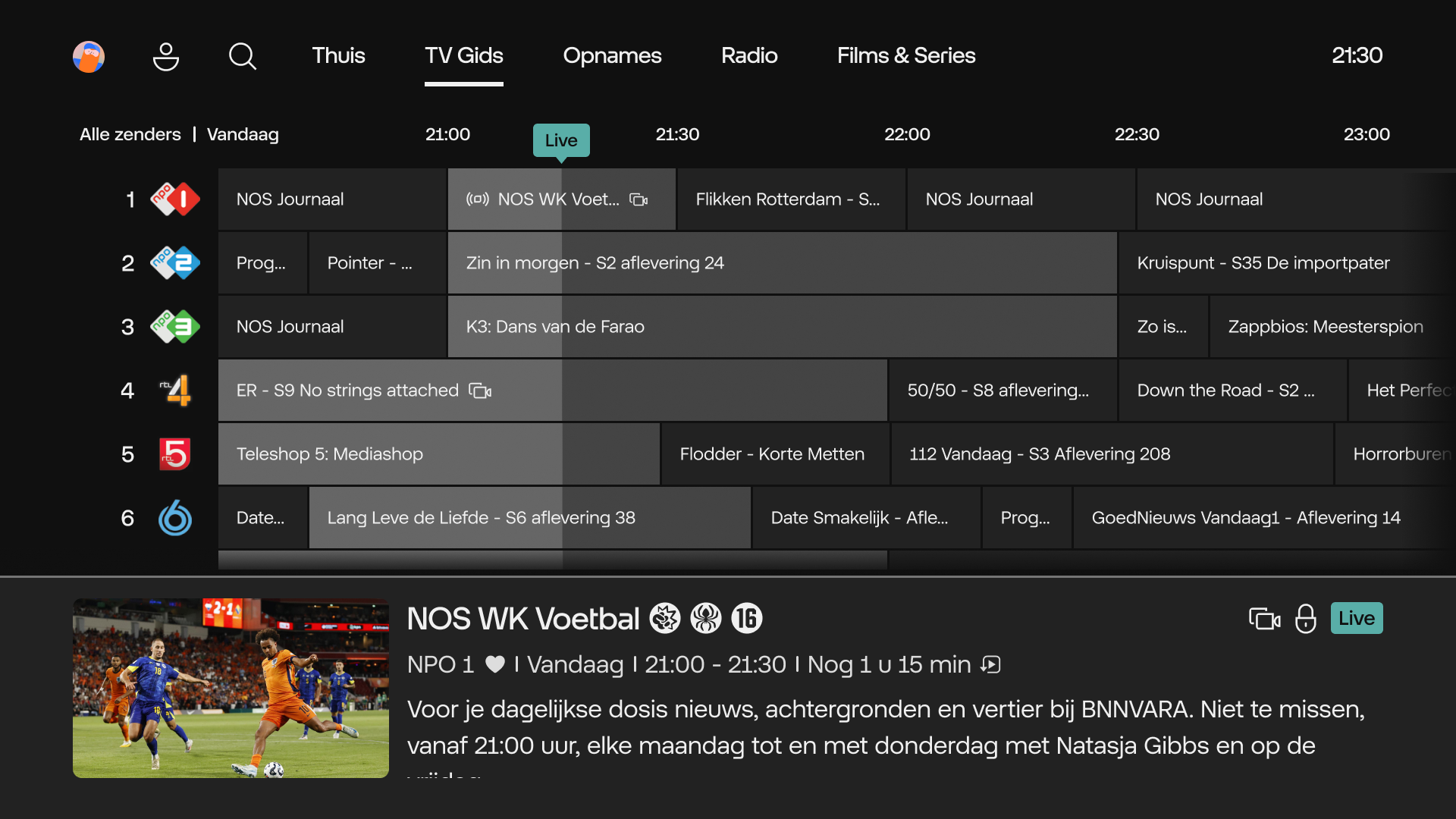
One of the biggest achievements that I am proud of is the implementation of the Odido branding accross all the different TV platforms. Since I worked on all platforms; TV, Web TV and Mobile TV, it is great to see the full vision and scope of what was implemented.


Here I display some of the more prominent screens designs of the respective apps that I worked on.


TV screen designs:
blurry photo of sunset over ocean with logo on top

Web TV screen designs:

blurry photo of sunset over ocean with logo on top

Mobile TV screen designs:

blurry photo of sunset over ocean with logo on top

Outcome

  • Created a scalable design system for TV within under 6 months
  • Component library used by multiple TV platforms within 3 months
  • UI patterns adopted across TV, Web TV and Mobile TV
  • Created internal documentation and principles for accessibility and user experience improvements
  • Created a fully fledged UI design for all three major TV platforms with the new branding and accessibility findings
  • Implementing user feedback/wishes on a daily basis

From the web to TV to virtual reality, I have worked across diverse platforms, each with unique challenges, all centered on delivering an exceptional user experience.
More projects

UI / UX Design & UX Research

Odido TV Platforms

Explore

abstract painting

UI / UX Design

T-Mobile & Tele2 TV Platforms

UX Research

Reducept Serious VR Game